How it works
WashMerit helps customers shortlist better and helps providers explain their service properly.
The goal is simple: make it easier to compare local exterior cleaning companies without wading through vague listings or repeating the same brief.
What matters most
Clear profiles and useful job details lead to better quotes.
Customers need enough information to compare well. Providers need enough information to quote properly. The site is built around that.
For customers
- 01Browse by area, service, issue, or commercial need to understand which specialist you need.
- 02Compare provider profiles, reviews, methods, coverage, and visible proof gaps before you enquire.
- 03Send one quote request with the photos, access details, surface notes, and document needs that matter.
- 04Review a focused 2 to 3 provider shortlist and confirm job-specific proof before booking.
For providers
- 01Claim or upgrade your profile to take control of how the business appears.
- 02Add services, methods, coverage, proof, and contact details so customers can understand your offer.
- 03Complete verification review if you want WashMerit-reviewed evidence reflected on the profile.
- 04Keep the page fresh with accurate business information, reviews, and proof that matches the jobs you want.
Visual proof
Before-and-after examples are useful, but they are not a blank trust badge.
Exterior cleaning profiles can look similar if they only list a service name and a phone number. Relevant photos help customers compare finish, surface type, contamination, and method fit before they ask for a quote.
WashMerit keeps that evidence in context: public galleries and provider claims help with scoping, while verified or commercial status depends on separate WashMerit-reviewed evidence for the listed scope.
Learn how to judge reviews, photos, and badges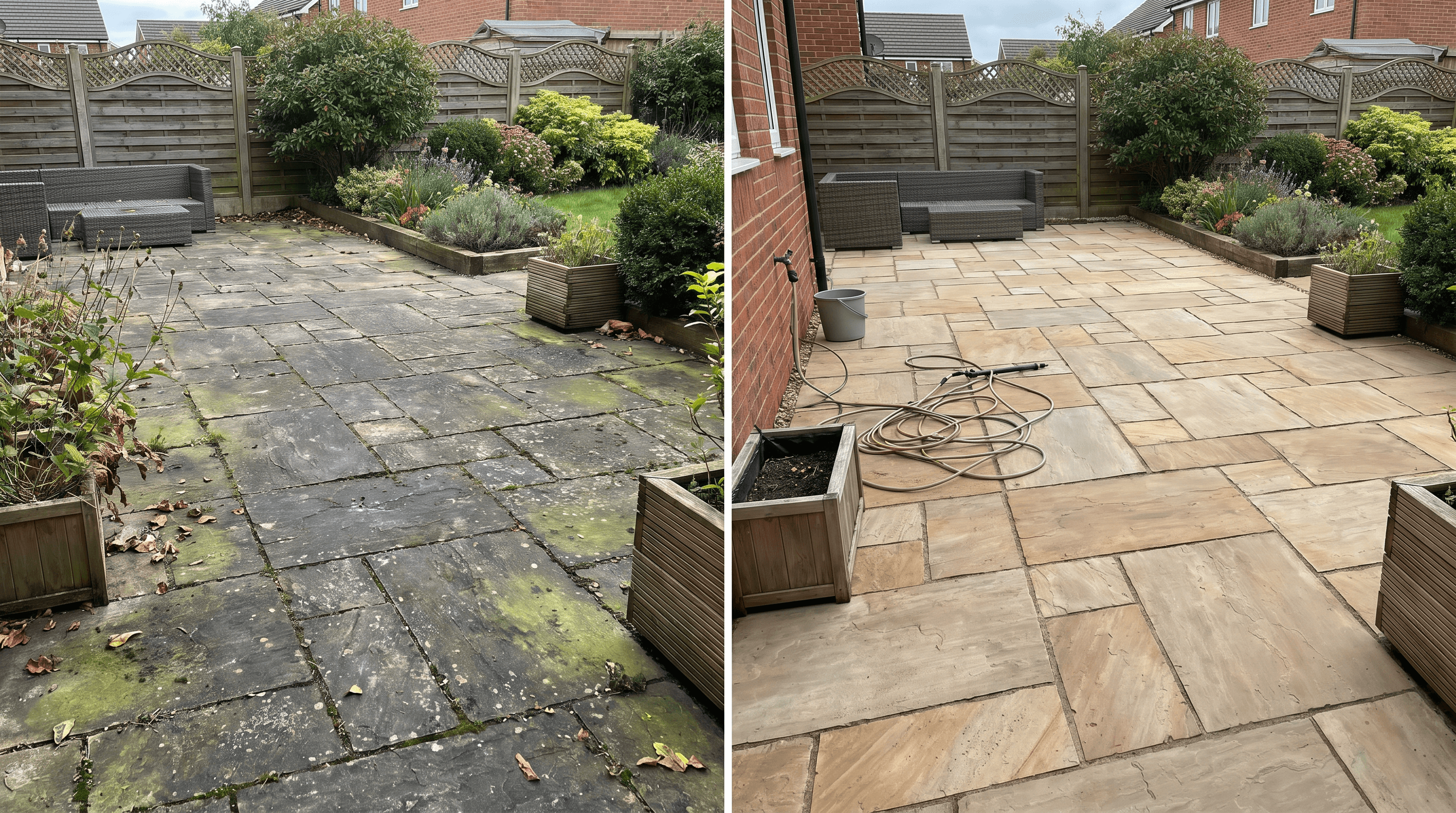
Different from a generic trade directory
WashMerit narrows the brief before it treats a provider as suitable.
A broad directory can make comparison feel like a race to collect names. WashMerit is designed around a tighter shortlist: enough providers to compare, but not a lead blast that hides method risk, document needs, or proof gaps.
Proof boundaries